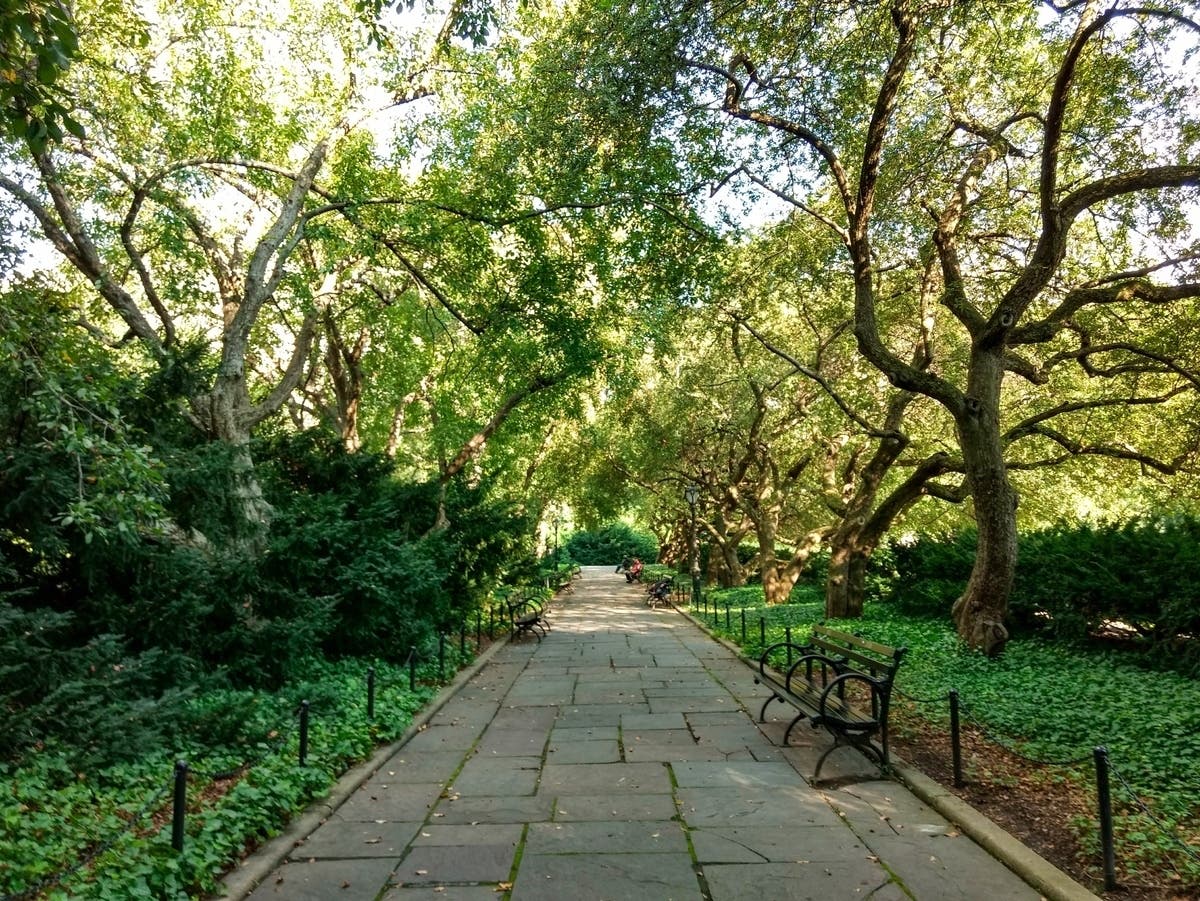
Why Some NYC Neighborhoods Are 10–15 Degrees Hotter Than Others
View current live article (external link)
SubstantiveWhat does this label mean?
Detected automatically. This change was found by comparing two Internet Archive captures of the article’s text. No human selected or reviewed it. Both captures are linked above so you can verify the difference yourself. See the methodology for exactly how detection works.
What changed between the two captures
Added Removed
Removed: A recent report from the Nature Conservancy found that neighborhoods with limited tree canopy can experience temperatures 10 to 15 degrees hotter than areas with greater tree coverage.
Added: A recent report from the Nature Conservancy found that neighborhoods with fewer trees can feel hotter, while tree-lined areas benefit from cooler temperatures and reduced sun exposure.
Added: In New York City, trees can lower surrounding temperatures and reduce ultraviolet radiation exposure by about 25 percent.
Removed: Tree canopy coverage varies widely across New York City, affecting how much cooling, shade and other environmental benefits residents experience, according to Tami Lin-Moges, New York City director for The Nature Conservancy.
Added: Tree canopy coverage varies widely across New York City, affecting how much cooling, shade and other environmental benefits residents experience, according to Tami Lin-Moges, director of the Cities Program for New York State at the Nature Conservancy.